Atlanta contractors: what counts as construction debris, disposal regulations in Georgia, junk removal vs. dumpster, and how to coordinate on active job sites.
Construction and renovation projects generate significant debris. Managing that debris is part of the job, whether you're a general contractor running a full renovation, a specialty sub doing demo, or a DIY homeowner doing a weekend project. The decisions you make about debris removal affect your timeline, your costs, and in some cases your compliance with Georgia regulations.
Here's a practical guide to construction debris removal in the Atlanta area.
What Counts as Construction Debris
Construction debris, also called C&D waste, covers materials generated by construction, renovation, or demolition projects.
Standard C&D debris: - Drywall scraps and broken sheetrock - Lumber and wood scraps - Roofing shingles and underlayment - Flooring: tile, hardwood, laminate, vinyl, carpet - Concrete in manageable pieces - Brick and masonry rubble - Old fixtures: sinks, toilets, light fixtures, doors, windows - Insulation (non-asbestos) - Plumbing and electrical components (non-hazardous) - Metal scrap from structural work
What is not standard C&D debris: - Asbestos-containing materials (requires licensed abatement) - Lead paint debris from pre-1978 homes (requires specific handling) - Hazardous chemicals or contaminated materials - Soil or fill dirt (heavy weight, specific disposal requirements)
The distinction between standard debris and regulated material matters. Mixing regulated materials into a standard debris load creates liability and potential legal exposure.
Georgia Regulations for Construction Debris Disposal
Georgia's Solid Waste Management Act governs how construction debris is handled. Key points:
C&D landfills: Construction and demolition debris goes to a permitted C&D landfill, not a standard municipal solid waste landfill. Most junk removal companies and dumpster providers route C&D to appropriate facilities. As a contractor, you are responsible for ensuring your waste goes to a permitted facility.
Asbestos: Georgia follows federal NESHAP regulations for asbestos. Before demolishing or disturbing any structure built before 1981, a licensed asbestos inspector must survey the building. If asbestos-containing materials are present, a licensed abatement contractor must handle removal before demo begins. Violations carry significant fines.
Lead paint: Properties built before 1978 may contain lead paint. The EPA's Renovation, Repair, and Painting (RRP) Rule requires that contractors working in pre-1978 homes be EPA Lead-Safe Certified. This covers containment of lead dust and debris, not just removal of painted surfaces.
Electronic and mechanical components: Appliances with refrigerants and electronics found during demolition or renovation should be handled separately and disposed of appropriately, not mixed into general C&D.
For projects generating regulated materials, consult the Georgia Environmental Protection Division for current guidance.
Junk Removal vs. Dumpster Rental for Construction Debris
The right choice depends on your project timeline and how debris accumulates.
When junk removal makes more sense for construction jobs:
Post-project single cleanout. When the renovation is complete and you have a defined volume of debris ready to go, a junk removal pickup clears everything in one visit. You don't tie up a driveway with a dumpster during the job.
Small to mid-size renovation projects. Kitchen and bathroom remodels, flooring jobs, and single-room gut projects typically generate enough debris for one or two loads. Junk removal handles this efficiently.
Residential jobs where a dumpster would be disruptive. In suburban neighborhoods with HOA restrictions or limited driveway space, a dumpster may cause friction. A one-time junk removal pickup creates no long-term visual footprint.
When a dumpster makes more sense:
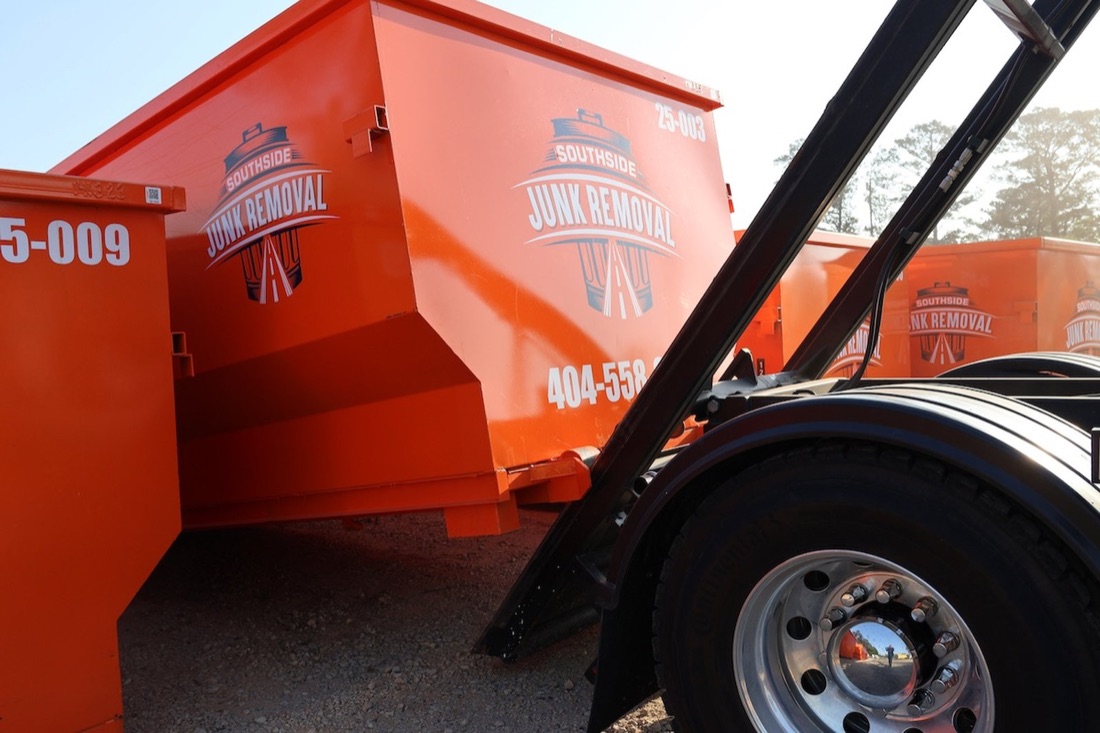
Multi-week construction projects with continuous debris. If debris accumulates daily over a two-week or month-long project, a dumpster on-site gives the crew a constant place to dispose of material.
Large-scale demolition. Whole-house demo, major structural work, and roofing projects on large homes generate enough volume that continuous container access beats scheduling multiple junk removal pickups.
Sizing a junk removal load for construction debris:
Dense materials like concrete, brick, and tile weigh much more per cubic yard than wood scraps or drywall. A half-truck load (9 cubic yards) of concrete weighs substantially more than the same volume of lumber. When estimating your load size, consider weight, not just visual volume. We'll assess on-site before starting.
How to Coordinate Debris Removal on an Active Job Site
Active job sites have specific coordination requirements that residential cleanouts don't.
Schedule cleanouts during project transitions. The best time for a debris pickup is between major project phases: after demo is complete and before framing begins, after rough-in is done and before drywall, after drywall and before finish work. Clean transitions prevent debris from becoming a safety and efficiency problem.
Separate material streams before we arrive. If you have a mix of C&D debris and regulated materials (old appliances, electronics, or potentially asbestos-containing materials), have them separated before the junk removal crew arrives. Mixed loads complicate disposal and can create compliance issues.
Plan access. Job sites often have restricted access during peak work hours. Give us a clear point of contact on the site and tell us where to park the truck. A 10-minute access coordination conversation before the pickup prevents an hour of wasted time on the day of.
Schedule for the end of the job. Final project cleanouts are one of our most common construction debris calls. Contractors schedule a pickup for the day before or after client walkthrough to clear all remaining debris, scrap, and packaging.
Southside's Construction Debris Capabilities
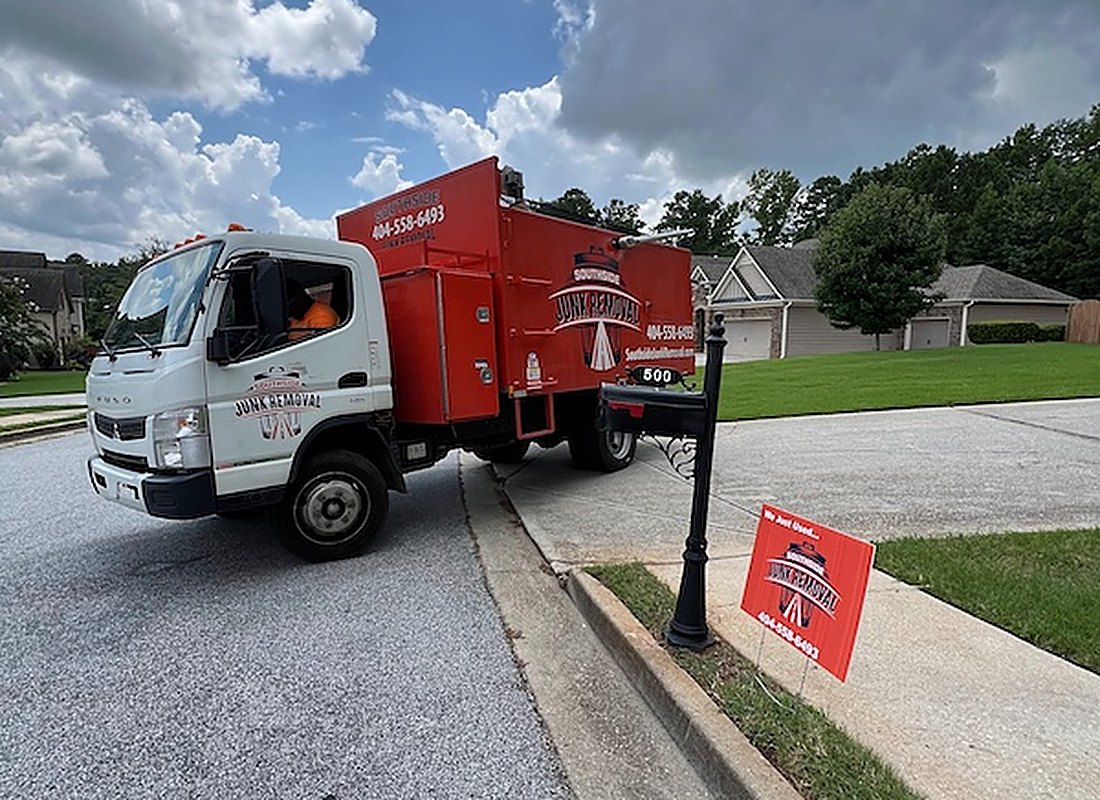
We handle construction debris as part of both our residential junk removal service and our commercial junk removal service.
What we take: - Drywall, lumber, flooring, roofing shingles - Fixtures (sinks, toilets, old windows, doors) - Non-asbestos insulation - Mixed renovation debris
What we don't take: - Asbestos-containing materials - Soil and dirt in large quantities - Full liquid chemical containers - Active hazardous waste
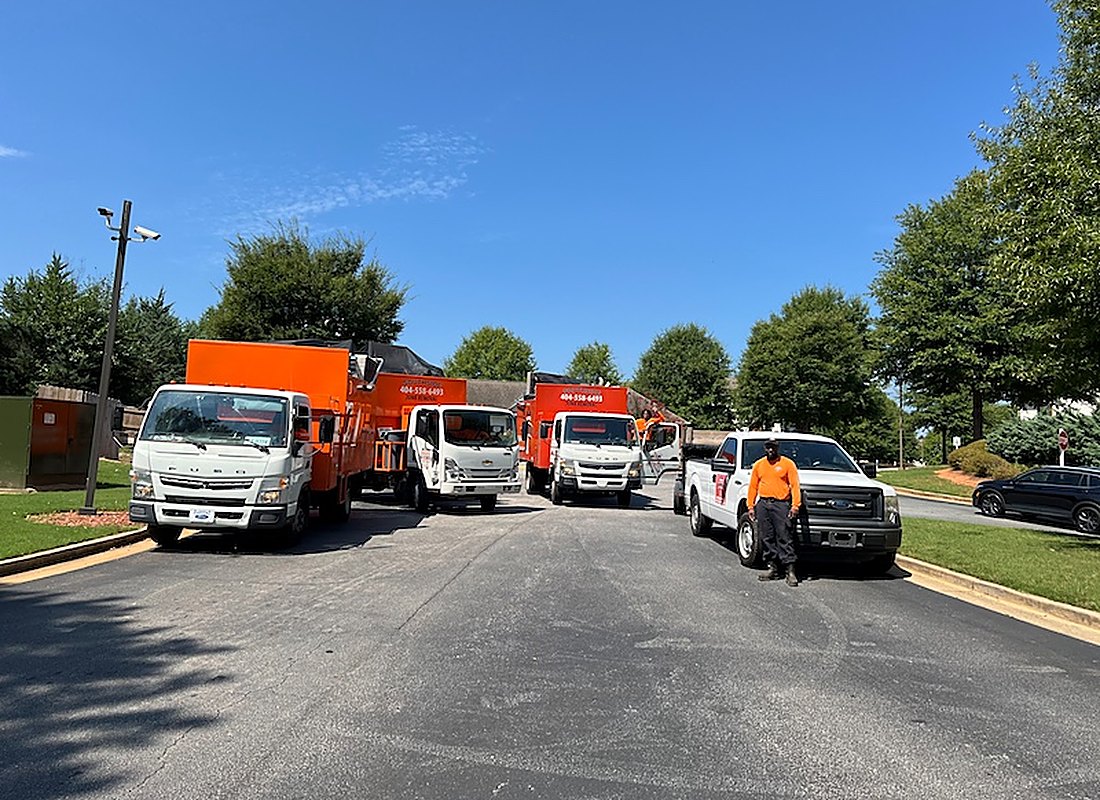
For construction contractors working regularly in metro Atlanta, we can set up commercial account arrangements with priority scheduling. Call (404) 558-6493 to discuss how we can work within your project cycle.
Frequently Asked Questions
Can junk removal take construction debris in Atlanta? Yes. Southside Junk Removal takes standard construction debris including drywall, lumber, roofing shingles, flooring, tile, and renovation fixtures. We route C&D material to appropriate facilities. Asbestos-containing materials and large quantities of soil require different handling.
How do I dispose of construction debris in Georgia? Standard C&D debris goes to a permitted construction and demolition landfill. Most junk removal and dumpster companies handle this routing. For asbestos-containing materials, a licensed abatement contractor must manage removal. For electronics and appliances, certified recycling is required. The Georgia EPD provides guidance on regulated waste streams.
How much does construction debris removal cost in Atlanta? Construction debris removal is priced by volume. A quarter truck (4.5 cubic yards) of renovation debris runs $370. A full truck (18 cubic yards) runs $725. Dense materials like concrete and tile affect per-load weight, which may factor into pricing for very heavy loads. We give a firm quote on-site before starting.
Do contractors need a permit for construction debris removal in Atlanta? Contractors don't need a separate permit for hiring a junk removal company to haul standard C&D debris. However, if you're renting a dumpster and placing it on a public street, a permit from the local municipality may be required. Asbestos abatement requires specific Georgia EPD notifications for certain project types.
Need junk removed in metro Atlanta? Call Southside Junk Removal at (404) 558-6493 or book online. Same-day service available.
Frequently Asked Questions

Real Stories, Real Results
"Southside was on time and seriously polite. Great job delivery and pick up."
"Kind, courteous, informative. Fair pricing. Punctual and professional."
"The mover was very efficient and timely and very nice. Thank you!"